Economics
Intermediate
Updated 11/26/2025
What is
Emission Schedule?
The predetermined rate at which new ERG is created through mining, designed for fair distribution and long-term sustainability.
Ergo's emission schedule defines how new ERG enters circulation through mining rewards. Starting at 75 ERG per block, rewards decrease over time following a predetermined curve. Combined with storage rent, this creates a sustainable economic model where miners have long-term incentives even after primary emission ends.
Key Points
- Started at 75 ERG per block
- Decreases over predetermined schedule
- ~97.74 million ERG maximum supply
- 8 years primary emission period
- Storage rent provides ongoing rewards
- No sudden halving shocks
Use Cases
1
Understanding ERG supply dynamics
2
Mining profitability planning
3
Long-term value assessment
4
Comparing to Bitcoin halving model
Technical Details
Ergo's emission started at 75 ERG/block, decreasing by 3 ERG every 3 months after the first 2 years. Treasury receives 7.5% of block rewards (decreasing over time). After primary emission ends (~8 years), storage rent provides ongoing miner revenue from dormant UTXOs.
Related Infographics


Related Articles
Frequently Asked Questions
Questions about Emission Schedule
Common questions about this topic
What is storage rent on Ergo?
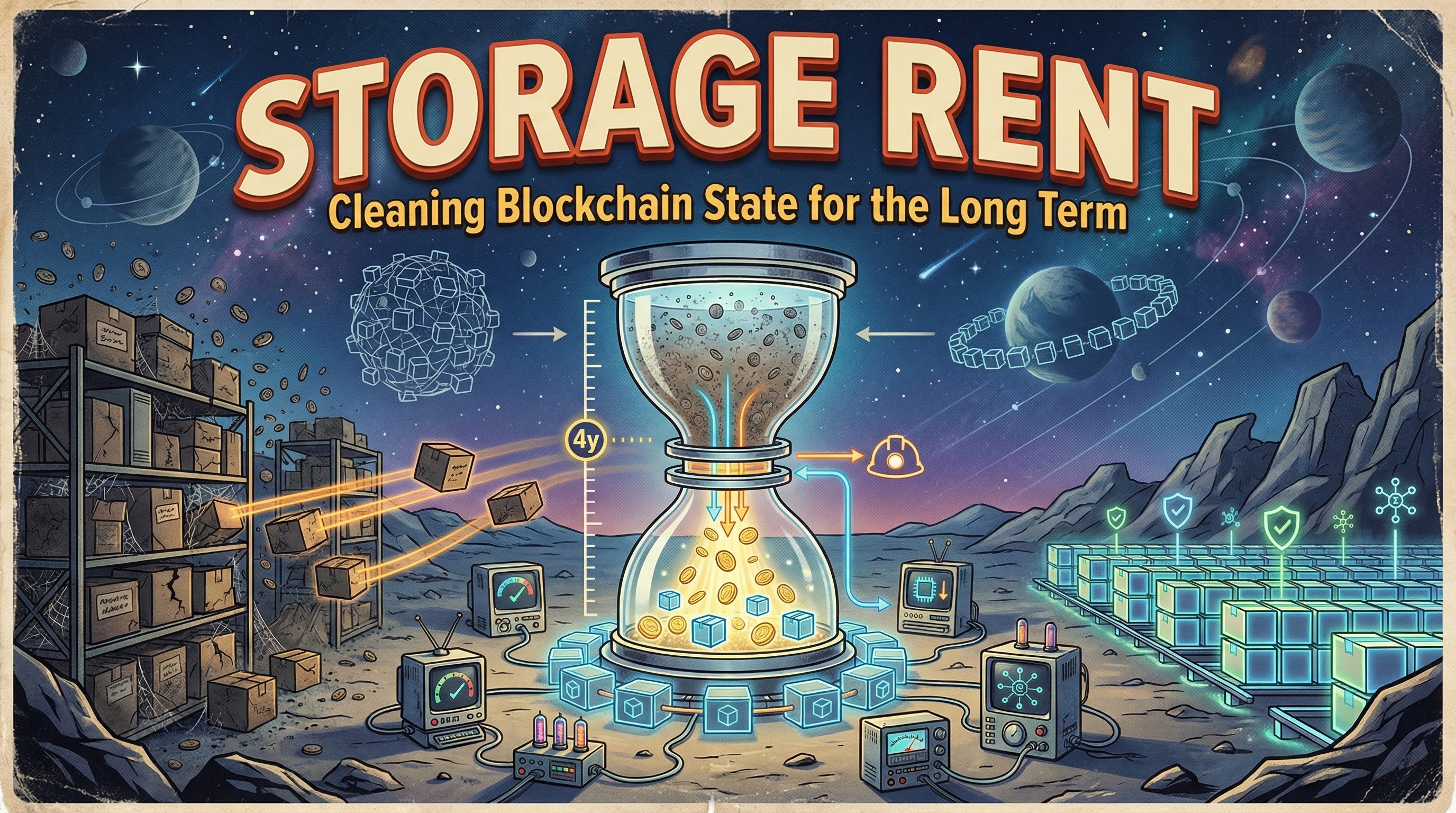
Storage rent is Ergo's solution to state bloat. Boxes (UTXOs) that remain unspent for 4+ years can have a small fee deducted by miners. This incentivizes cleaning up unused state, provides long-term miner revenue after emission ends, and keeps the blockchain sustainable. Lost coins eventually return to circulation instead of being locked forever.
Explainer
Technology
Is Ergo a good investment?
This is not financial advice. Ergo has strong fundamentals: fair launch (no VC dump risk), innovative technology (eUTXO, Sigma Protocols, NiPoPoWs), active development, and a cypherpunk ethos. It's a smaller market cap project with higher risk/reward than established chains. Research thoroughly, understand the technology, and never invest more than you can afford to lose.
Comparison
Getting Started
How do miners earn money on Ergo?
Ergo miners earn from three sources: block rewards (newly minted ERG), transaction fees, and storage rent. Block rewards decrease over time according to the emission schedule, but storage rent ensures long-term income even after all ERG is mined. Most miners use pools for consistent payouts.
How-to
Mining
How to use Spectrum DEX on Ergo?
Connect your Nautilus wallet to Spectrum Finance, select tokens to swap, review the rate and slippage, then confirm. Spectrum uses AMM liquidity pools for instant trades. You can also provide liquidity to earn fees. All trades are atomic - they complete fully or not at all, with no front-running possible.
How-to
DeFi