Smart Contracts
Beginner
What is
Smart Contracts?
Self-executing programs stored on blockchain that automatically enforce agreement terms when conditions are met.
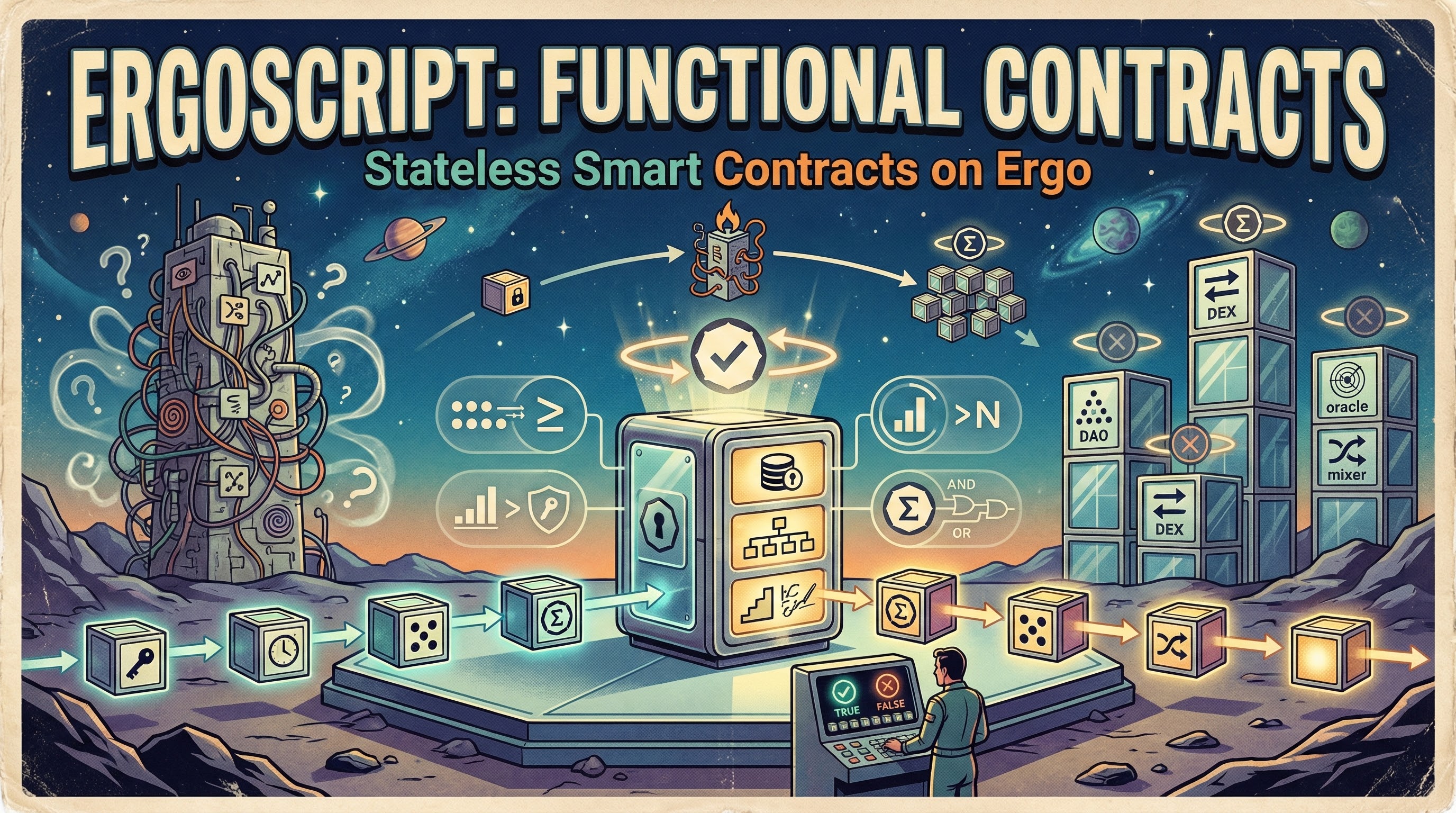
Smart contracts are programmable agreements that execute automatically when predefined conditions are satisfied. On Ergo, smart contracts are written in ErgoScript and stored in eUTXO boxes. Unlike Ethereum's Turing-complete contracts, ErgoScript is deliberately limited to ensure predictable execution, lower gas costs, and easier formal verification.
Key Points
- Self-executing when conditions are met
- Stored on-chain, immutable once deployed
- ErgoScript ensures predictable gas costs
- No reentrancy attacks possible on eUTXO
- Supports multi-stage protocols
- Can interact with Sigma protocols for privacy
Use Cases
1
Decentralized exchanges (DEXs)
2
Lending and borrowing protocols
3
Token issuance and management
4
Multi-signature wallets
5
Time-locked payments
6
Oracle-based derivatives
Technical Details
ErgoScript compiles to ErgoTree, a typed language that evaluates to true/false. Contracts guard boxes and define spending conditions. The eUTXO model means contracts see only their inputs/outputs, not global state, eliminating many attack vectors.
Related Infographics



Related Articles
Frequently Asked Questions
Questions about Smart Contracts
Common questions about this topic
How to build DeFi on Ergo?
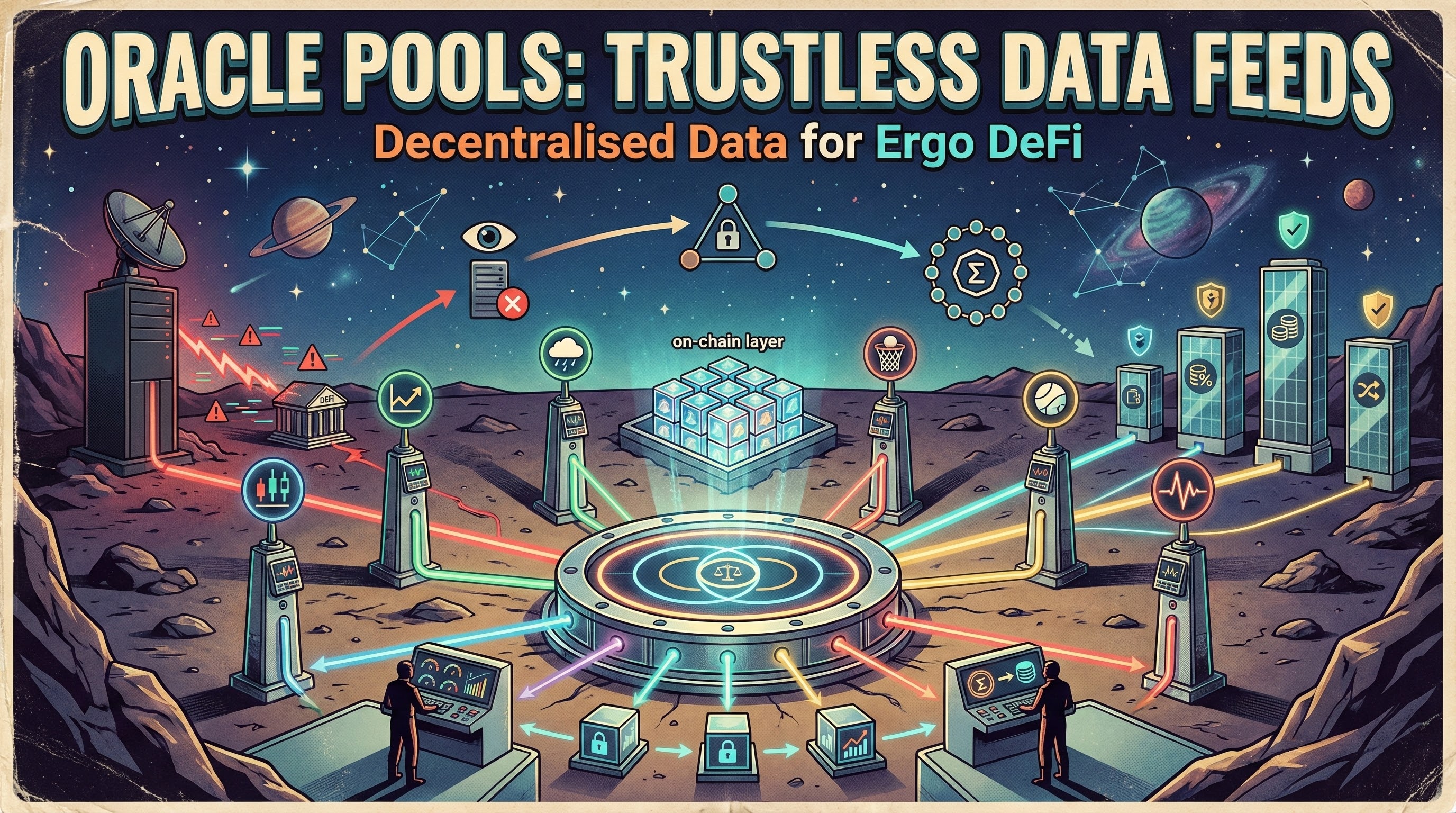
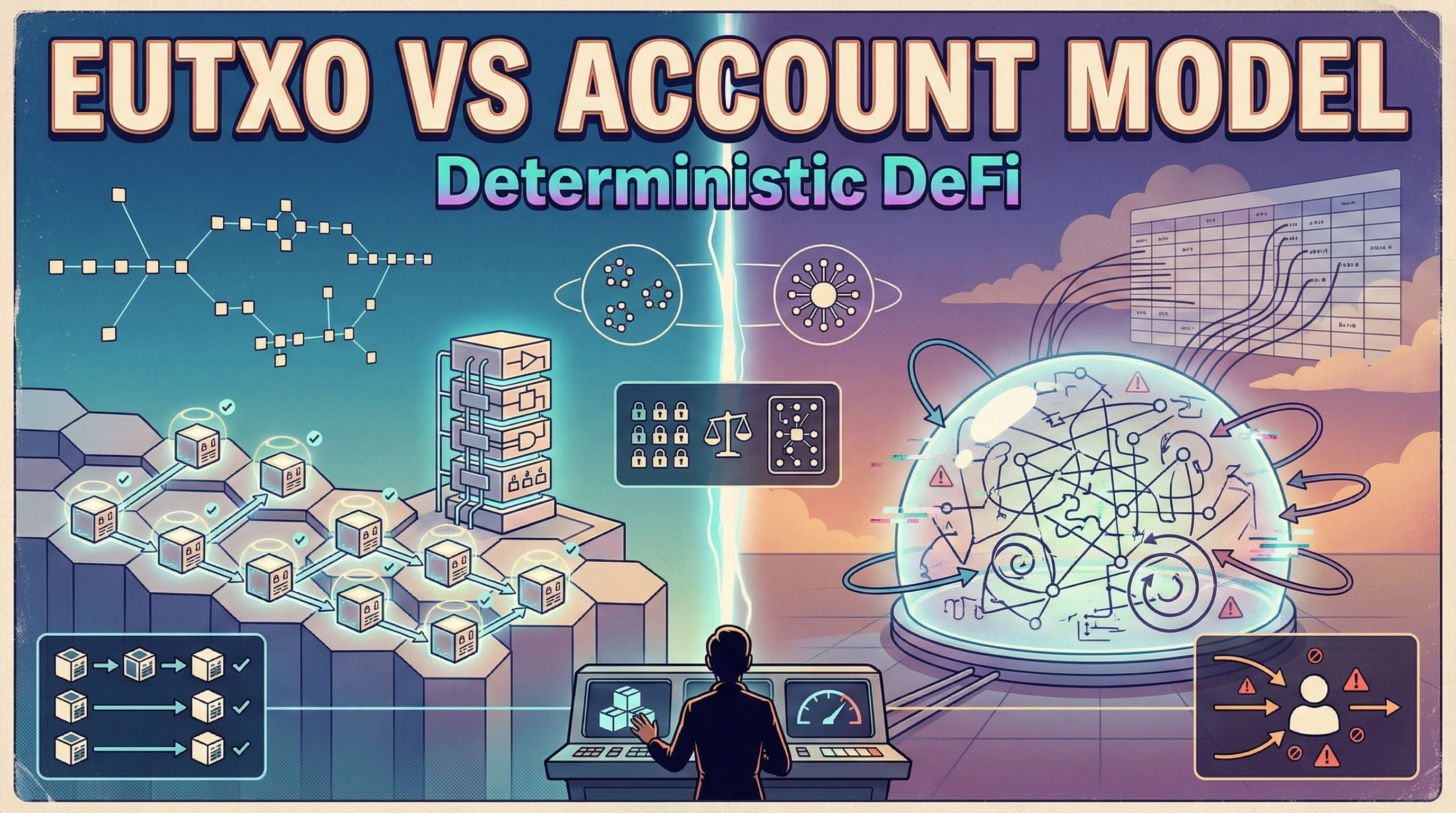
Building DeFi on Ergo starts with understanding the eUTXO model and ErgoScript. Unlike account-based chains, Ergo's box model provides deterministic execution, no MEV by design, and predictable gas costs. Use Oracle Pools for price feeds, and leverage existing patterns from Spectrum Finance and SigmaUSD.
How-to
DeFi
How is Ergo different from Bitcoin?
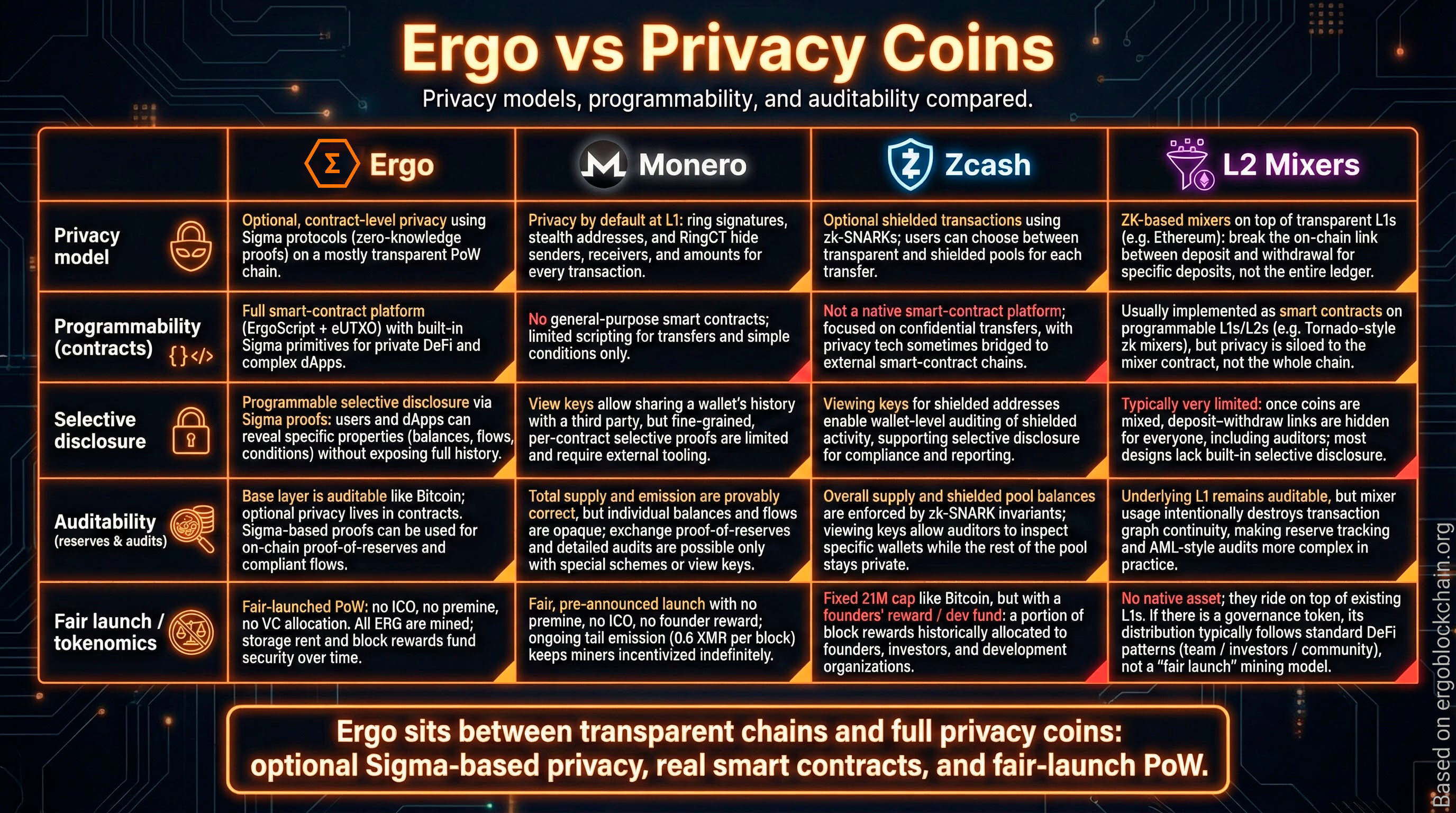
Ergo extends Bitcoin's model with smart contracts. Both use PoW and UTXO, but Ergo adds: eUTXO for programmable boxes, ErgoScript for smart contracts, Sigma Protocols for privacy, storage rent for sustainability, and NiPoPoWs for light clients. Think of Ergo as 'Bitcoin with smart contracts done right.'
Comparison
Technology
Is Ergo a good investment?
This is not financial advice. Ergo has strong fundamentals: fair launch (no VC dump risk), innovative technology (eUTXO, Sigma Protocols, NiPoPoWs), active development, and a cypherpunk ethos. It's a smaller market cap project with higher risk/reward than established chains. Research thoroughly, understand the technology, and never invest more than you can afford to lose.
Comparison
Getting Started
What is Rosen Bridge?
Rosen Bridge is Ergo's cross-chain bridge protocol for trustless asset transfers between blockchains. It connects Ergo with Cardano, Bitcoin (Runes), and Dogecoin. Unlike centralized bridges, Rosen uses a decentralized watcher network and multi-sig security. Bring assets to Ergo's DeFi ecosystem or move ERG to other chains.
Explainer
DeFi