Mining
Beginner
Updated 1/15/2025
What is
Miner Fee?
Transaction fees paid to miners for including transactions in blocks. Ergo fees are predictably low (~$0.01) and based on transaction size, not network congestion.
Miner fees (transaction fees) are payments made to miners for processing and including transactions in blocks. On Ergo, fees are calculated based on transaction size in bytes, not network demand, making them predictably low (typically 0.001-0.002 ERG, around $0.01). This contrasts with Ethereum where fees spike during congestion. Miners receive both block rewards (newly minted ERG) and accumulated transaction fees. Ergo's fee model, combined with Storage Rent, ensures long-term miner incentives even after emission ends.
Key Points
- Paid to miners for transaction processing
- Ergo fees based on transaction size, not congestion
- Typically 0.001-0.002 ERG (~$0.01)
- Predictable unlike Ethereum gas fees
- Combined with block rewards for miner income
- Storage Rent provides additional miner revenue
Use Cases
1
Estimating transaction costs
2
Understanding miner incentives
3
Comparing Ergo vs Ethereum fee models
4
Planning DeFi transactions
5
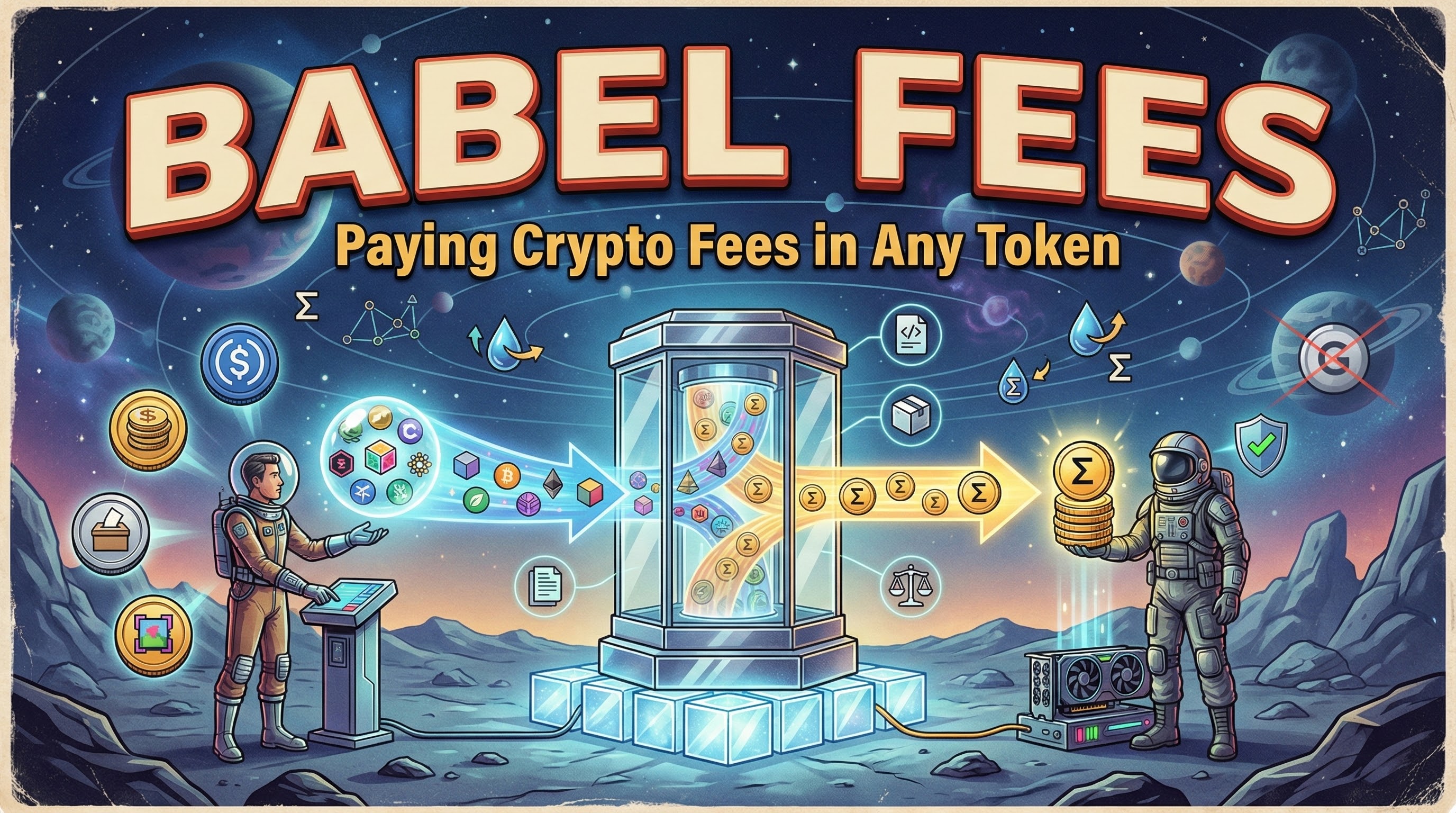
Using Babel fees for token-only payments
Technical Details
Ergo transaction fees are calculated as: baseFee + (txSizeInBytes * feePerByte). The minimum fee is 0.001 ERG. Complex transactions (multiple inputs/outputs, scripts) cost more due to larger size. Unlike Ethereum's auction-based gas model, Ergo fees don't spike during high demand. Miners prioritize transactions by fee-per-byte ratio. Babel fees allow paying fees in tokens instead of ERG.
Related Infographics


Related Articles
Frequently Asked Questions
Questions about Miner Fee
Common questions about this topic
How to use Spectrum DEX on Ergo?
Connect your Nautilus wallet to Spectrum Finance, select tokens to swap, review the rate and slippage, then confirm. Spectrum uses AMM liquidity pools for instant trades. You can also provide liquidity to earn fees. All trades are atomic - they complete fully or not at all, with no front-running possible.
How-to
DeFi
How do NFTs work on Ergo?
Ergo NFTs are native tokens with quantity of 1, making each unique. Unlike Ethereum where NFTs need smart contracts, Ergo NFTs are first-class protocol citizens. Mint for minimal fees (~0.001 ERG), trade on SkyHarbor marketplace, and enjoy full eUTXO security. NFTs can include rich metadata and royalties.
Explainer
Technology
What is storage rent on Ergo?
Storage rent is Ergo's mechanism for long-term sustainability. Boxes (UTXOs) that remain unspent for ~4 years pay a small fee, which goes to miners. This prevents state bloat, recirculates lost coins, and ensures miners have income even after emission ends. It's like paying rent for blockchain storage space.
Explainer
Technology
What can I do with Ergo?
Ergo supports a full ecosystem: trade on Spectrum DEX, use SigmaUSD stablecoin, mix transactions with ErgoMixer, collect NFTs on SkyHarbor, mine with GPUs, lend/borrow on DuckPools, bridge to other chains via Rosen, and build dApps with ErgoScript. It's a complete platform for decentralized finance and applications.
Explainer
Getting Started